In 2026, the design world marks one hundred years since the birth of Verner Panton, the Danish architect who spent his life trying to convince the rest of us to stop being afraid of color.
At Lekker Home, his spirit runs through some of our favorite pieces, kept alive by the makers who knew his work best and still put it into production today. We wanted to mark the centenary the best way we know how: by telling the story of a designer we have admired from the start.
From a single molded chair to entire rooms imagined as one continuous gesture, here is a look at where Panton's ideas came from, the icons still in production today, and the color universe that made him one of the most original voices of the twentieth century.

The Panton Philosophy
The Man Who Banished Beige
Born in Gamtofte, Denmark, in 1926, Verner Panton trained as an architect at the Royal Danish Academy of Fine Arts and spent his early career in the studio of Arne Jacobsen before opening his own practice in 1955. He first drew wider attention with the bold geometric forms of his furniture for Plus-linje, and from there the ideas only grew more ambitious.
What set Panton apart was a conviction that color was never decoration. He treated it as a material in its own right, capable of shifting mood, perception, and the entire feeling of a room. As he once put it, most people spend their lives housed in dreary, gray-beige conformity, mortally afraid of using colors. His whole career was an invitation to do the opposite.
Vitra
One Chair, One Material
In the early 1950s, Panton became fascinated by an idea no one had yet realized: a chair formed in a single piece, from a single material. By 1958 he had built a full-scale model, but it took a champion to bring it to life. Willi Fehlbaum, founder of Vitra, was intrigued, and once his son Rolf visited Panton and returned full of enthusiasm, development began in earnest.
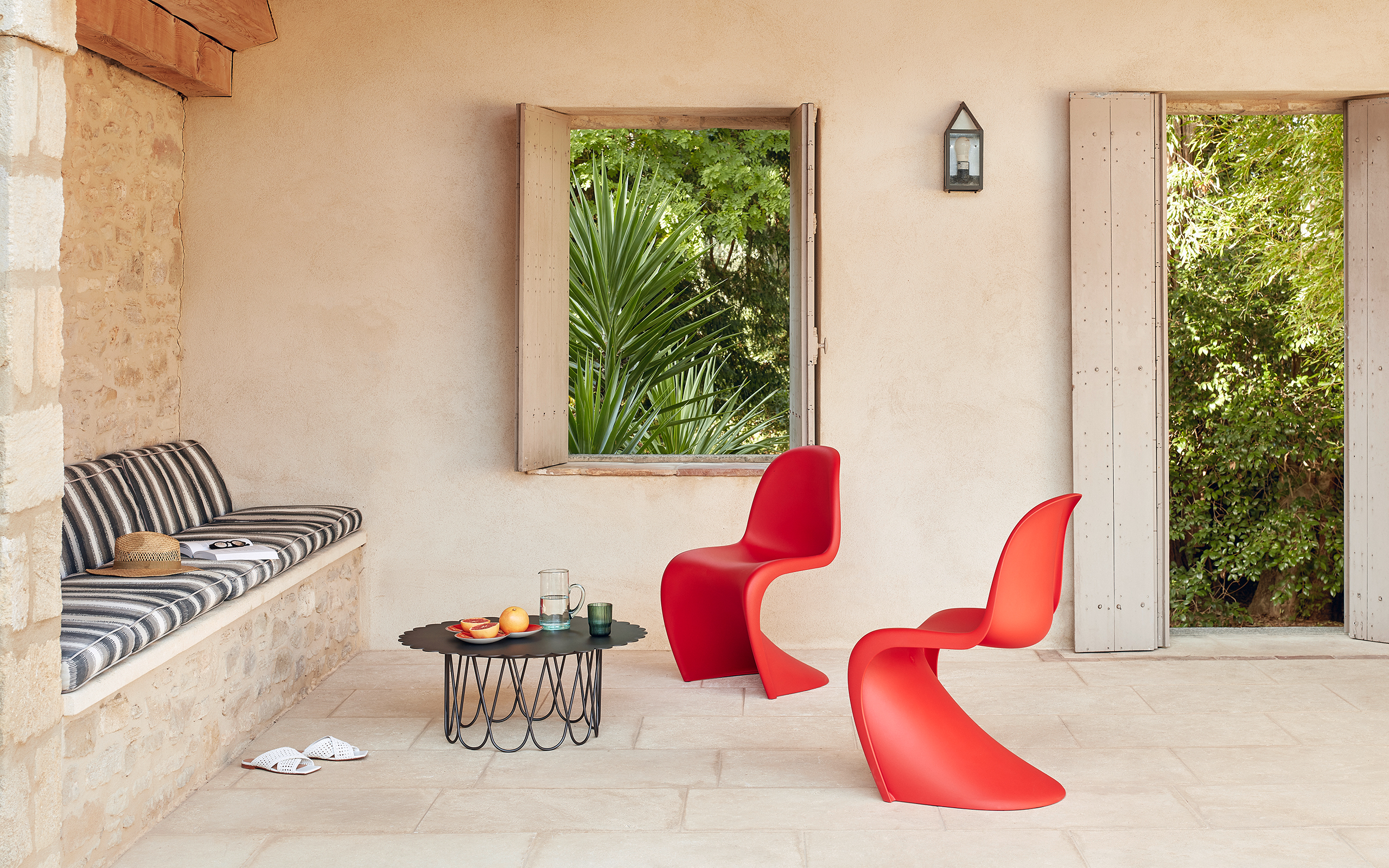
The result, introduced in 1967, was the first cantilever chair molded in one piece from glass fiber reinforced polyester. It became Vitra's first independently developed product and remains one of the most recognizable icons of twentieth century furniture. The partnership outlasted Panton himself, who passed away in Copenhagen in 1998, and it continues today through his family in the Basel area.
Explore the Panton Chair and the wider world of Vitra at Lekker Home.
The main purpose of my work is to provoke people into using their imagination.
Verner Panton
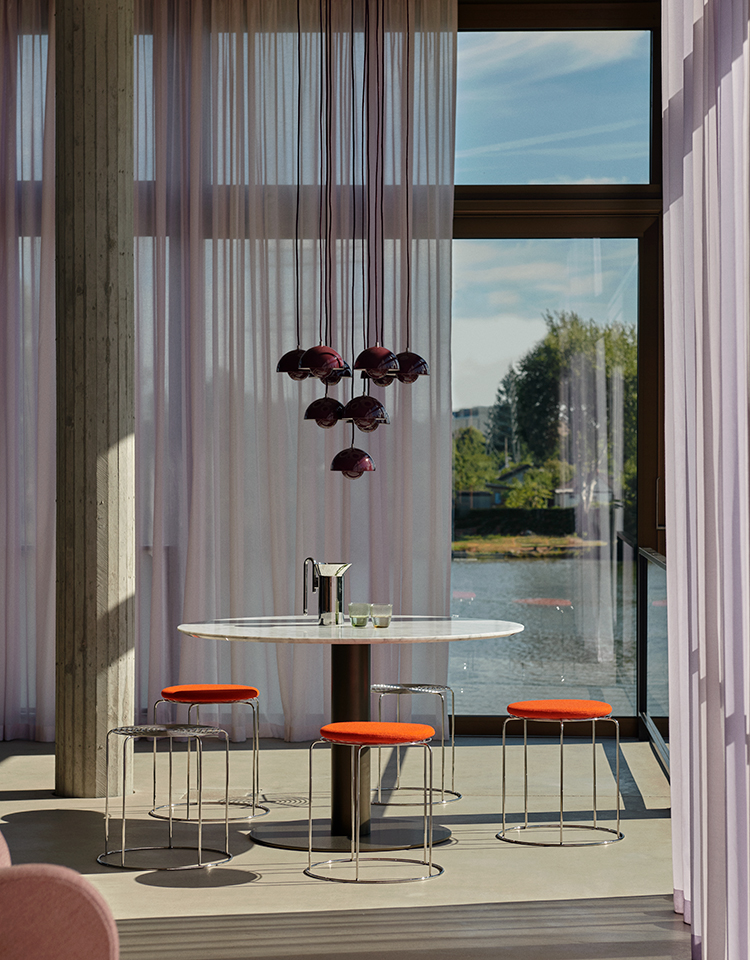
&Tradition
The Flowerpot Story
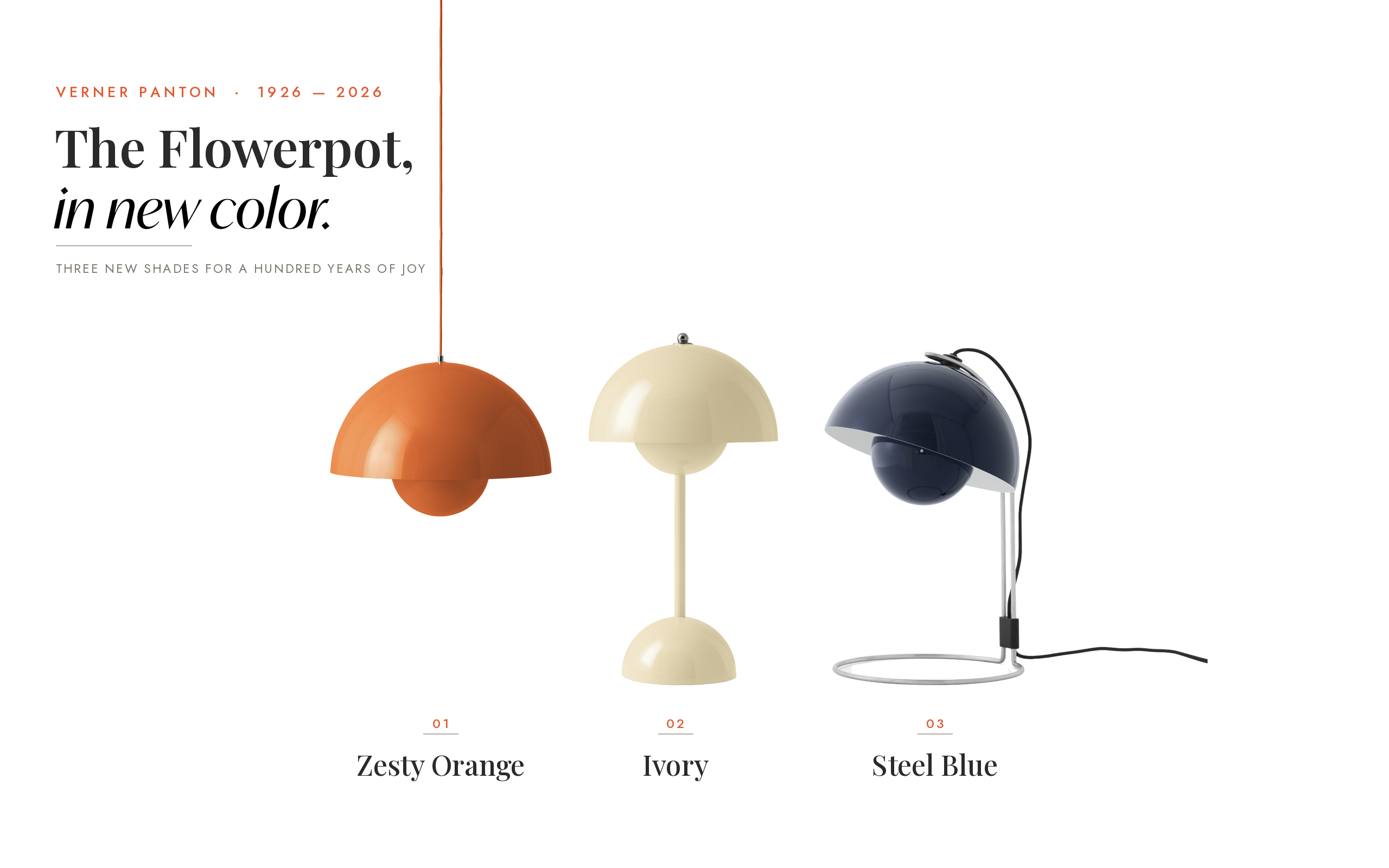
Created in 1968, the Flowerpot lamp is a playful yet minimal design that pushed past the idea of a lamp as a purely functional object. It was among the first products to enter the &Tradition portfolio in 2010, and through an ongoing dialogue with Verner Panton Design AG the collection has since grown to include pendant, portable, table, desk, wall, and floor models.
For the centenary, &Tradition introduces a series of new colorways drawn from Panton's original palette. The trio references an archival photograph from the 1970s in which blue, white, and orange Flowerpot lamps hang together in a striking pendant formation.
Montana
A Friendship and a Color Universe
When Peter J. Lassen, the founder of Montana, first met the young Danish architect in 1956, neither could have known it was the start of a lifelong collaboration. What grew between them was a constant dialogue about design, carried by deep mutual respect and a shared belief in form, function, and creativity.
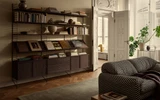
Panton's fearless approach to color, radical for its time, became a lasting source of inspiration for Montana's own color universe. That bond is why Montana continues to produce several of his designs today.
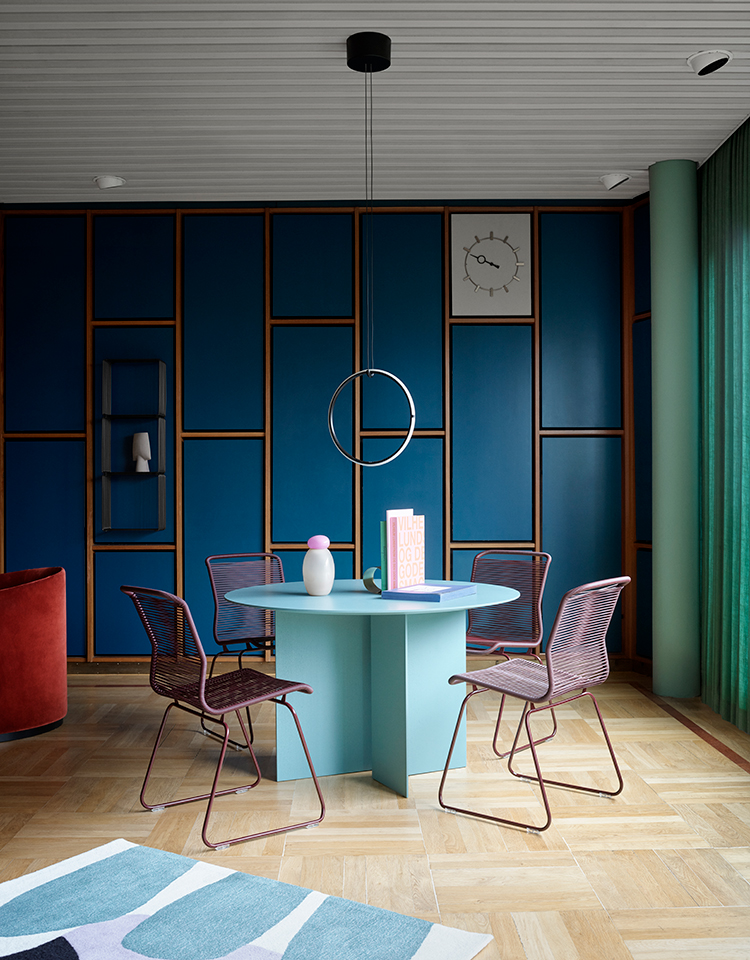
Panton One
His very first chair, designed in 1955. Offered in handwoven paper string in Black and Nature, plus eight cord colors from Duke to Scarlett.
Shop Panton One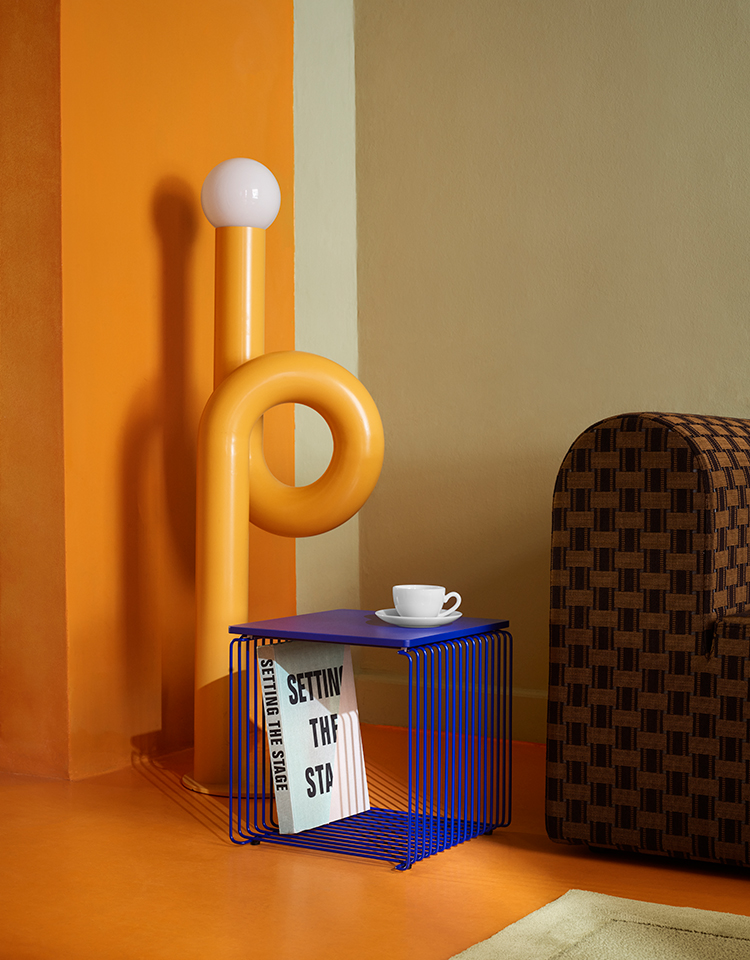
Panton Wire
Raw yet elegant, light yet industrial. A modular system for the floor, the wall, or as a room divider, available in chrome or six lacquered colors.
Shop Panton Wire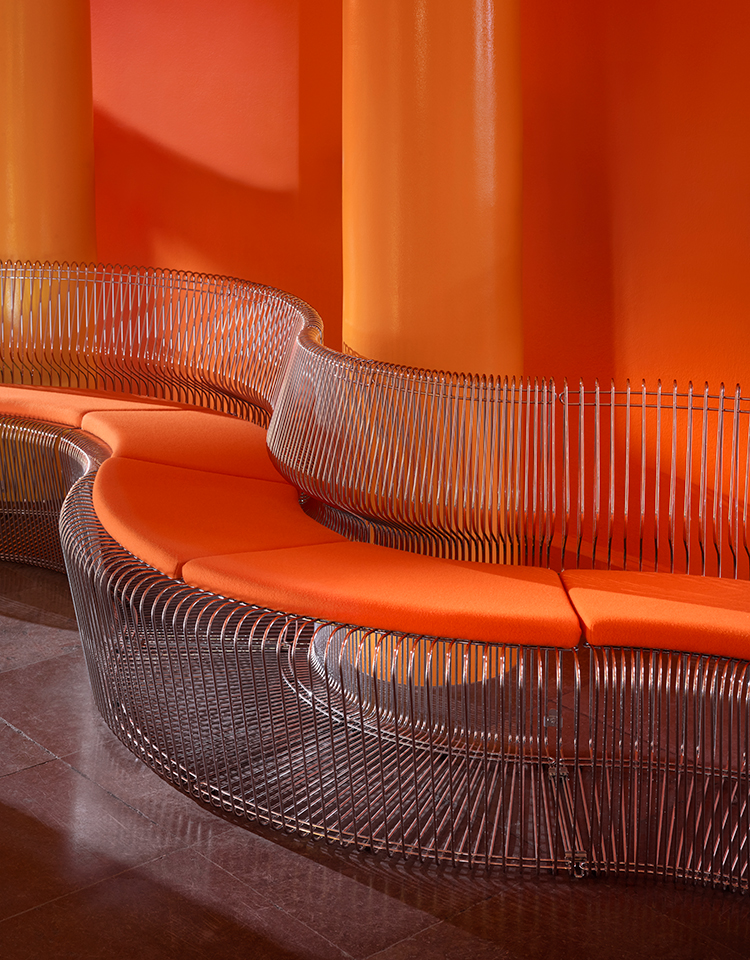
Pantonova
A modular wire seating system from 1971, designed for the legendary Varna restaurant. Furniture that merges with its space, ready for contemporary interiors.
Shop PantonovaTotal Environments
When a Room Became a Single Work of Art
Panton rarely thought in single objects. He worked toward what the Germans call a gesamtkunstwerk, meaning a total work of art, in which floor, walls, ceiling, furniture, lighting, and textiles are designed together as one unified whole rather than assembled piece by piece. In his hands, an entire room became a single immersive composition where every surface answered to the others, color and pattern flowing without a straight edge to interrupt them.
I try to show new ways to encourage people to use their fantasy and make their surroundings more exciting.
Verner Panton
A Century of Color
Here's to the Next Hundred
A century on, Verner Panton's work still asks the same thing of us: to be a little less afraid of color. Explore the pieces that keep his vision in production, and if you would like a hand bringing them into your space, our design team is always happy to help.